


Over the past few years, I’ve been reflecting deeply on shame—how it shows up in my life and in the lives of those around me.
I’ve defined it, redefined it, and then redefined it again.
Two books have shaped my current understanding:
📘 The Other Half of Church by Michel Hendricks and Jim Wilder
📘 Healing the Shame That Binds You by John Bradshaw
Both highlight a powerful truth: understanding healthy vs toxic shame is key to personal growth and healing.
Understanding Healthy vs Toxic Shame
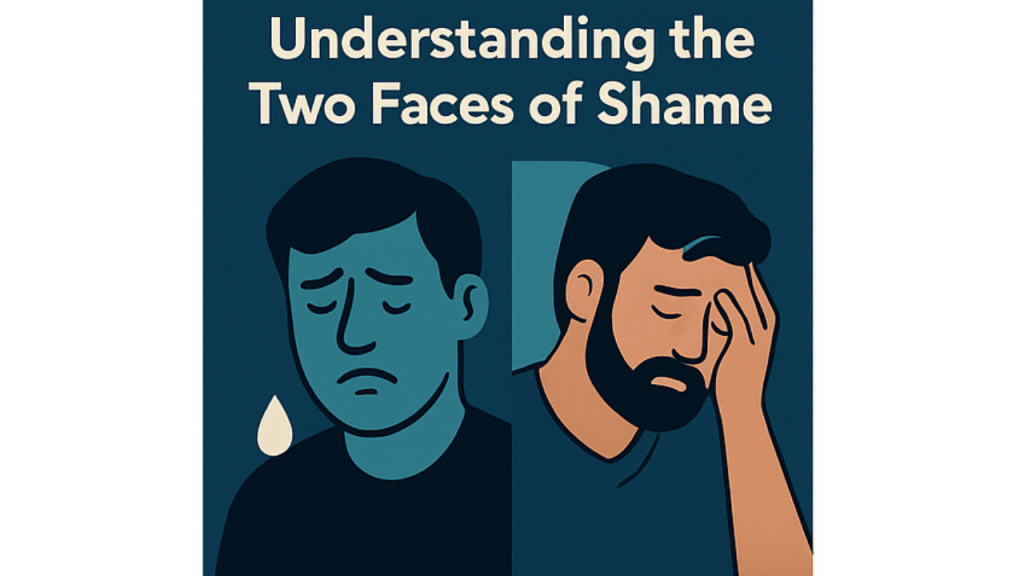
For a long time, I believed guilt was good and shame was bad. Now, I see it differently.
Guilt says, “I did something wrong.”
It alerts us that something is off.
Healthy shame says, “I’ve done something wrong, but it doesn’t define who I am.”
It leads to reflection, correction, and restoration—especially in safe, loving relationships.
Toxic shame, however, says, “There is something wrong with me.”
It attacks identity, isolates us, and often leads to defensiveness, addiction, or the constant need to prove ourselves.
👉 The difference between healthy vs toxic shame determines whether we grow or break down.
Does Shame Have a Place? A Deeper Look at Healthy vs Toxic Shame
This question kept coming up for me:
Does shame have a place?
When we understand healthy vs toxic shame, the answer becomes clearer.
Shame, when brought into the light, can lead to growth and healing. But when it turns toxic, it creates pain, isolation, and disconnection.
So the goal isn’t to eliminate shame entirely—it’s to recognize and transform it.
Peter’s Story: From Shame to Redemption
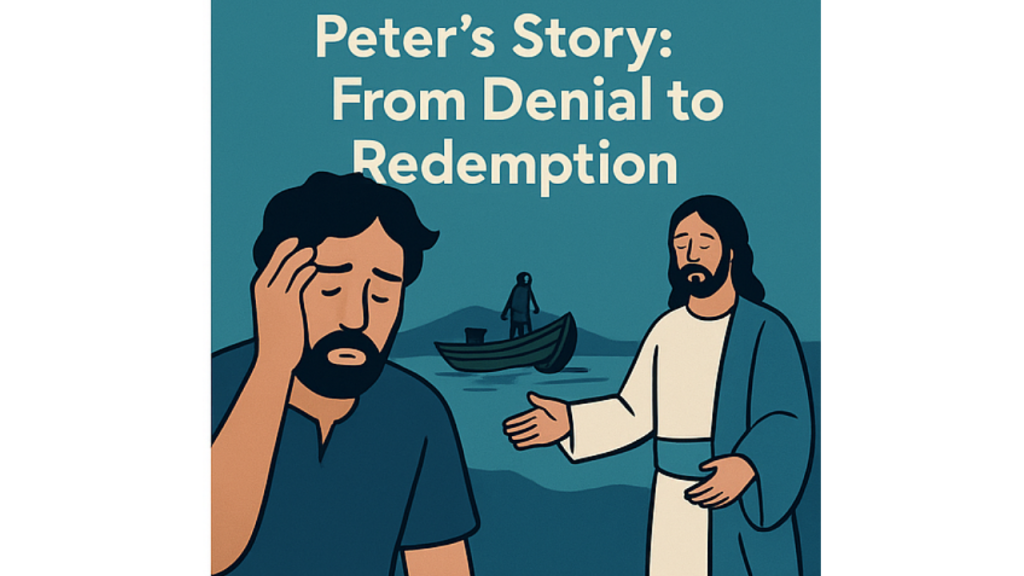
In a Bible study series, Encounters with Jesus, we explored Peter’s denial of Christ (John 18) and his restoration (John 21).
Peter’s story beautifully captures the tension between healthy vs toxic shame.
After denying Jesus three times, Peter experienced guilt—he knew what he had done. Then came shame—the internal weight of failure.
At that moment, Peter stood at a crossroads:
- Toxic shame could have convinced him he was beyond redemption
- Healthy shame could lead him back to Jesus for restoration
What did Peter do?
He returned to fishing—the place where he first encountered Jesus.
And there, Jesus met him again.
Not with condemnation—but with restoration.
That encounter didn’t just heal Peter—it transformed him into a bold, purpose-driven leader.
Lessons from Peter: How to Turn Shame into Healing
1. Let healthy shame reveal truth
Allow it to show you where growth is needed. It’s not proof of failure, it’s an invitation to change.
2. Act on what is revealed
Choose truth over self-condemnation. Break the cycle of shame by responding differently.
3. Return to familiar places of connection
Go back to where you’ve encountered Jesus before. Healing often begins in familiar spaces.
4. Listen for God’s voice
Let Jesus redefine your identity. His correction brings healing—not humiliation.
When Shame Leads You to Jesus

Shame is not meant to destroy; it’s meant to direct.
When we stay in toxic shame, we lose sight of who we are. But when we bring our shame to Jesus, it becomes a tool for transformation.
Peter’s response when he saw Jesus again is powerful; he jumped out of the boat and swam toward Him.
That’s the posture I want:
When shame whispers, “You are not enough,”
I choose to run toward the One who says, “You are redeemed.”
Reflection Questions
- How has toxic shame shaped the way you see yourself or others?
- Is there a place God is inviting you back to for healing?
- What truth about your identity is He reminding you of today?
Final Thought: Turning Shame into Healing
Understanding healthy vs toxic shame changes everything.
One leads to growth, humility, and restoration.
The other leads to fear, isolation, and self-doubt.
The difference lies in what you do with it.
Bring it into the light.
Bring it to Jesus.
And allow it to be transformed into healing.

